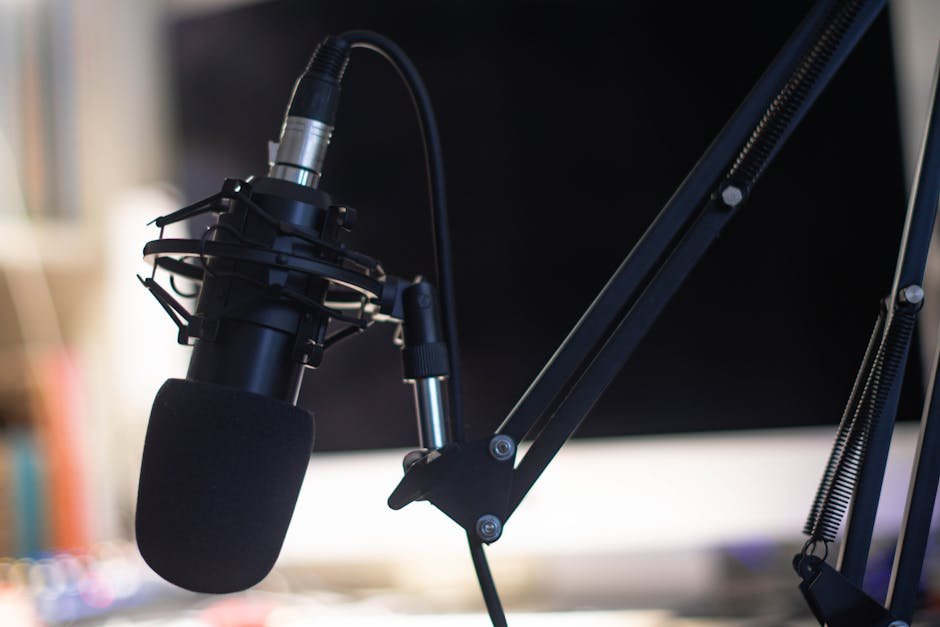
The world of podcasting has exploded, and with it, the demand for high-quality audio gear. Let’s face it: nobody wants to listen to a podcast that sounds like it was recorded in a tin can. In 2026, the right microphone can be the difference between a professional-sounding podcast and one that gets ignored. After testing countless microphones this year, I’ve narrowed down the best options for podcasters at every level. Whether you’re a beginner or a seasoned pro, there’s something here for you.
Understanding Your Needs: Dynamic vs. Condenser Mics
Before diving into the specifics, let’s clarify one important aspect: the choice between dynamic and condenser microphones. Each has its own set of advantages. Dynamic mics are robust and great for handling loud sounds, making them ideal for live environments or when recording with multiple people in a less controlled setting. Condenser mics, on the other hand, are sensitive and capture a wider frequency range, perfect for solo podcasters in a controlled studio.
Top Microphones for Podcasting in 2026
Let’s explore the best microphones I’ve tested for podcasting this year. These picks are based on audio quality, ease of use, and value for money.
1. Shure SM7B
The Shure SM7B remains a top choice for podcasters in 2026, and for good reason. Its versatility and sound quality are unmatched in this price range. This dynamic microphone is known for its smooth, warm sound and is excellent at reducing ambient noise. When I used the SM7B in my home studio, I was impressed by how it minimized background noise, a crucial feature for those without soundproofed environments.
**Pros:**
– Exceptional sound quality
– Great noise rejection
– Durable build
**Cons:**
– Requires a preamp or audio interface with good gain
– On the pricier side
**Best For:** Professional podcasters who need a reliable, high-quality mic.
**Rating:** 9/10 – A classic microphone that continues to deliver superior sound quality.
2. Audio-Technica AT2020
The Audio-Technica AT2020 is a fantastic entry-level condenser microphone, perfect for beginners or podcasters on a budget. Despite its affordability, it offers excellent sound quality. During my tests, the AT2020 provided clear and detailed audio, though it picked up more ambient noise than dynamic options, requiring a quieter recording space.
**Pros:**
– Affordable price
– Clear, detailed sound
– Wide frequency response
**Cons:**
– Picks up ambient noise
– Requires a quiet environment
**Best For:** Beginners looking for a budget-friendly condenser mic.
**Rating:** 8/10 – An excellent entry-level option with great sound for the price.
3. Rode NT1
The Rode NT1 is a remarkable condenser microphone that blends affordability with premium sound. Its ultra-low noise level is a standout feature. When I tested the NT1, I found its sound profile to be rich and full, capturing the nuances of my voice with remarkable clarity.
**Pros:**
– Ultra-low noise
– Rich, full sound
– Durable construction
**Cons:**
– Sensitive to background noise
– Requires an audio interface
**Best For:** Podcasters in a controlled environment seeking high-quality audio.
**Rating:** 9/10 – Offers premium sound quality at a reasonable price.
4. Blue Yeti USB Microphone
The Blue Yeti continues to be a favorite for podcasters who need versatility and ease of use. It connects via USB, making it accessible without the need for additional equipment. My experience with the Yeti showed it to be incredibly user-friendly, though its large size may not suit everyone’s setup.
**Pros:**
– Plug-and-play USB connectivity
– Multiple pickup patterns
– User-friendly
**Cons:**
– Bulky design
– Picks up ambient noise easily
**Best For:** Podcasters who need a versatile and easy-to-use USB mic.
**Rating:** 8/10 – A solid choice for those who need flexibility and simplicity.
Comparison Table
| Microphone | Type | Price Range | Best For | Rating |
|---|---|---|---|---|
| Shure SM7B | Dynamic | High | Professional podcasters | 9/10 |
| Audio-Technica AT2020 | Condenser | Low | Beginners | 8/10 |
| Rode NT1 | Condenser | Medium | Controlled environments | 9/10 |
| Blue Yeti | USB | Medium | Versatility seekers | 8/10 |
Enhancing Your Podcast Setup with Accessories
Even the best microphone can benefit from a few strategic accessories. Pop filters, shock mounts, and boom arms can significantly enhance your recording quality by reducing plosives, isolating vibrations, and positioning the mic perfectly. During my setup, these accessories made a noticeable difference, especially when recording episodes longer than an hour.
Consider Your Recording Environment
Your recording environment plays a huge role in the final sound quality. Dynamic mics like the Shure SM7B excel in less controlled settings, while condensers like the Rode NT1 thrive in treated spaces. I’ve recorded in everything from a walk-in closet to a dedicated studio, and I can attest that room acoustics can make or break your audio.
My Verdict
If you’re serious about podcasting, investing in the right microphone is crucial. For professionals, the Shure SM7B remains unbeatable. For those starting out, the Audio-Technica AT2020 offers great value. However, you’ll need to consider your recording environment and whether you need the simplicity of a USB mic like the Blue Yeti. Ultimately, choose a mic that fits your specific needs and budget.
FAQ
What is the best microphone for a beginner podcaster?
For beginners, I recommend the Audio-Technica AT2020. It offers excellent sound quality at an affordable price, making it a great entry-level condenser microphone.
Do I need a preamp for my microphone?
If you’re using a dynamic microphone like the Shure SM7B, a preamp or audio interface with decent gain is essential to get the best sound quality. USB mics like the Blue Yeti do not require a preamp.
How can I reduce background noise in my recordings?
Using a dynamic microphone can help reduce ambient noise. Additionally, recording in a quiet, treated space and using accessories like a pop filter or shock mount can further minimize unwanted sounds.
Should I choose a dynamic or condenser microphone?
It depends on your environment and needs. Dynamic mics are better for noisy settings, while condenser mics excel in sound-treated spaces with quieter surroundings.
Is a USB microphone a good choice for podcasting?
USB microphones like the Blue Yeti are convenient and easy to use, making them suitable for beginners or those who need a simple setup. However, they may not offer the same level of audio quality as XLR microphones in professional environments.
— Alex | Test everything. Trust nothing.
📘 Want more? Grab my free ebook: 50 Best Free AI Tools in 2026

Hey, I’m Alex — a creator tool obsessive who tests every platform so you don’t have to. Honest reviews, zero BS.
Leave a Reply